Our Story

The Journey Behind Kobayashi Bar

From a Wenzhounese family that started with nothing to bar stations trusted by venues across Europe and the United States. This is the story, in Yu's own words.

Our Philosophy

Rhythm, Awareness, and Connection

At Kobayashi, we see bartending as a practice of rhythm, awareness, and connection. Every movement and every detail matters. Our role is to design stations and systems that support this flow, so bartenders can work with clarity, precision, and ease.

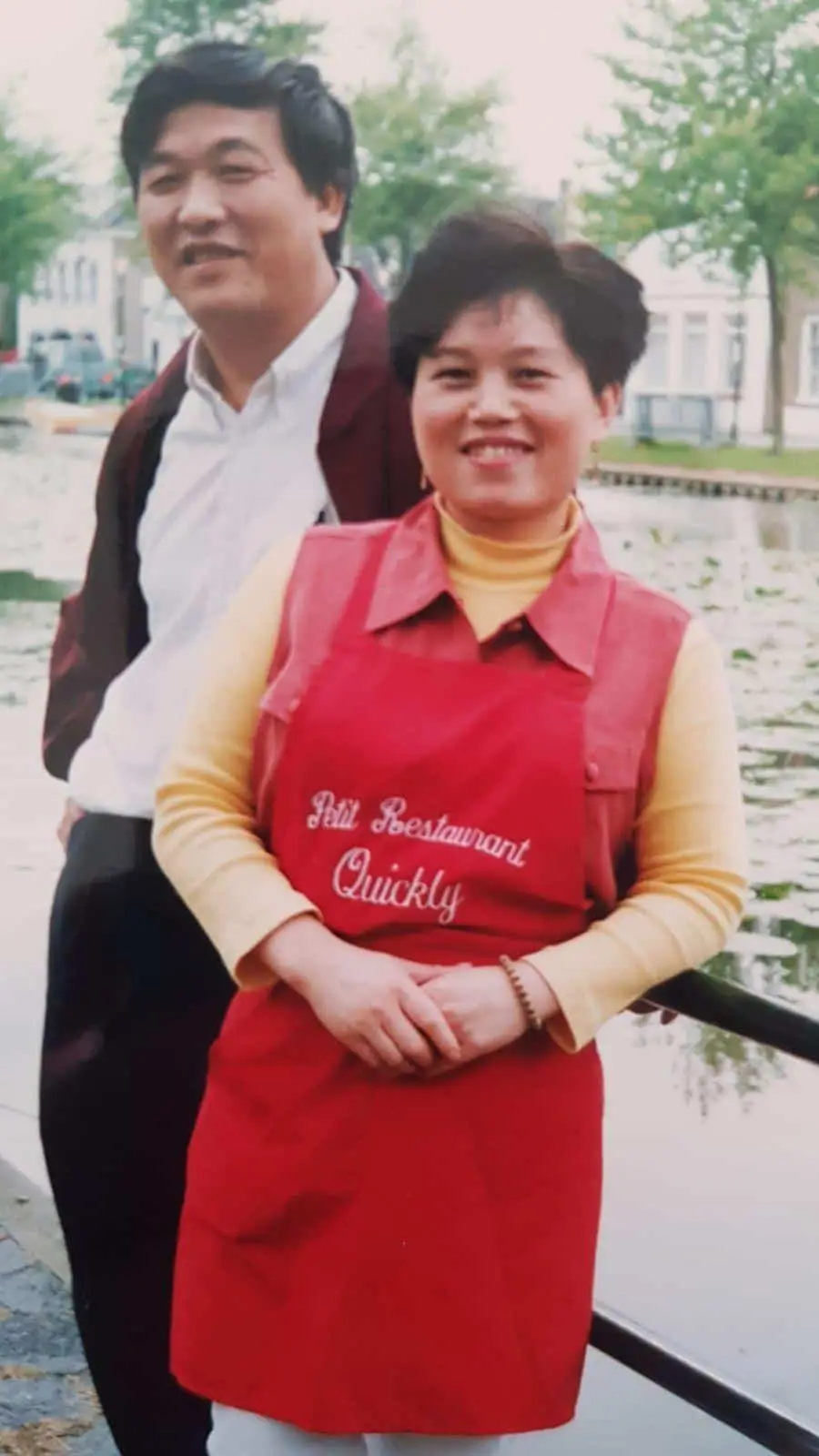
Yu's parents, who built a life in hospitality across the Netherlands
Lineage and Humble Beginnings

It Begins With My Parents

Kobayashi was established in the Netherlands in 2017, shaped by years of hands-on work in hospitality. But its roots go back much further, into my family's story, into a lineage of survival, persistence, and vision that shaped who I am.

I come from a Wenzhounese family, from a raw and rural background in the mountains of China. Life was so poor that sometimes all they had to eat was tree bark.

My father was a math and music teacher, always the artist and the creative soul of the family, but he had to give that up in order to survive. My mother carried the weight of raising four sons in a foreign land, even working while pregnant, and still caring for us.

She once went into labor and had to take herself to the hospital, climbing a long set of stairs in pain because there was no other choice. At one point she was on her last dime, and instead of keeping it, she spent it on fries for us, a small act that showed the selflessness and undying love of a mother who always put her children first.
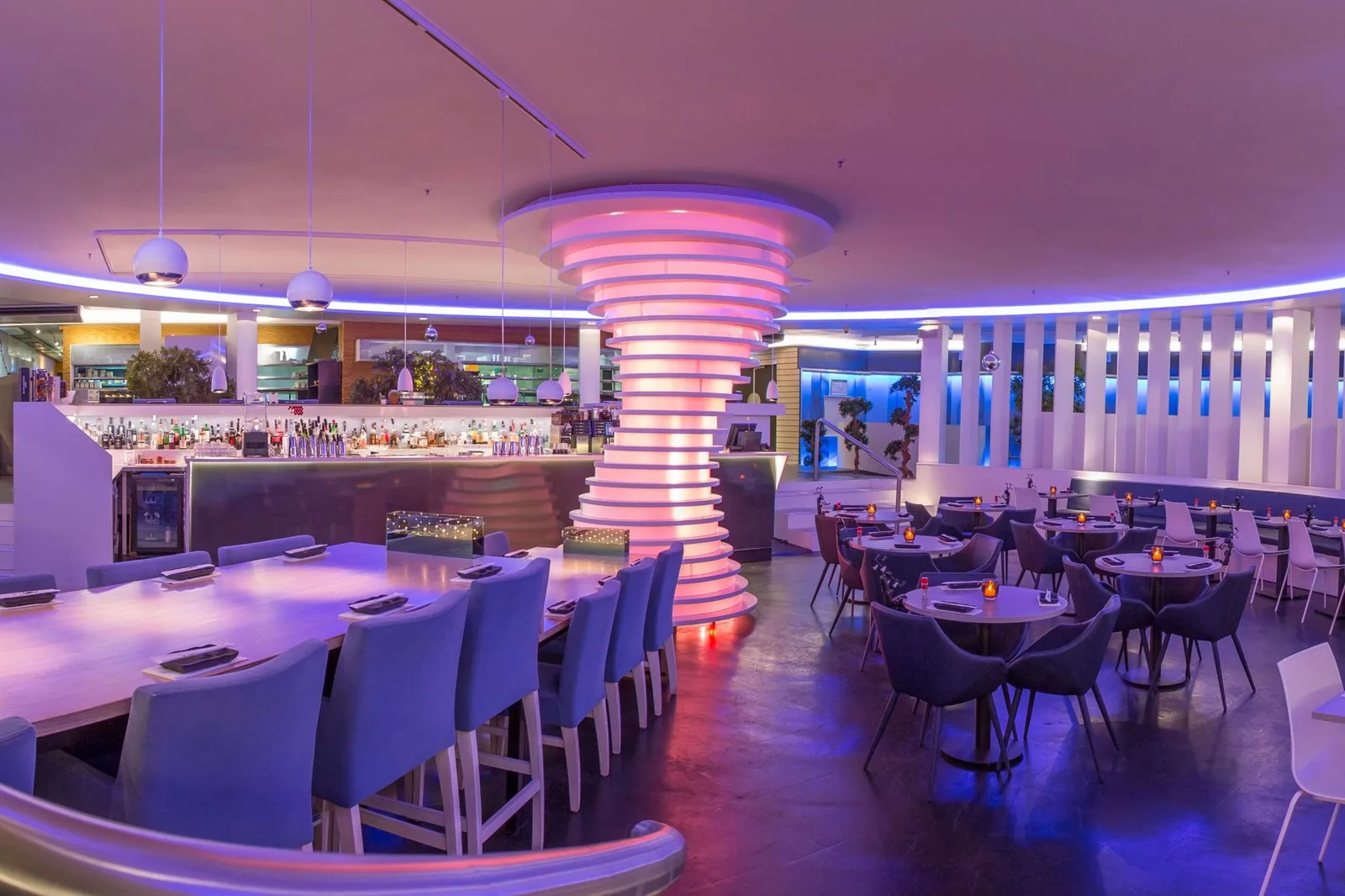
The family restaurant, where flavors and craft still carry on
The Chef and the Visionary

Taste, Craft, and Vision

But my mother was more than sacrifice. She was the true chef of the family. She had a natural gift for creating flavors, a touch and intuition that shaped our home and still carries into the restaurant we run today. My father was the visionary, the artist, the creative spirit, and my mother was the grounding force, the taste, the craft.

Together they worked across practically every corner of hospitality available at the time, from takeaways to kitchens to dining, long hours and constant movement, more than twenty relocations, all while honing their craft.

Through strength, sacrifice, love, and vision, they built a life step by step until years of hard work brought them success as pioneers with one of the Netherlands' first world kitchens. They have been in this industry for more than 30 years, ever since arriving in the Netherlands in the late 1980s.

That lineage of survival, sacrifice, resilience, love, creativity, and craft is experience that was truly earned.

The story of Kobayashi does not begin in 2017. It begins with my parents in the kitchens, with their strength and their vision, with the lessons I absorbed from childhood.

- Yu Jiang Zhao, Founder
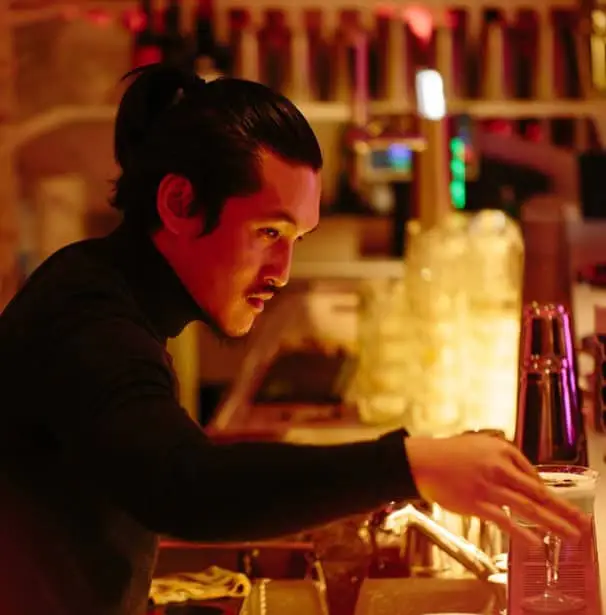
Yu Jiang Zhao, Kobayashi Bar founder
Collapse and a New Beginning

Everything Collapsed, So We Started Again

After ten years of success with their own restaurant, everything collapsed. My parents lost everything they had worked for, and our family stood at a crossroads. If nothing was done, the collapse would have pulled us under completely, with the real risk of ending up on the street.

At that time, I was living in Shanghai, where I had built a life for myself over two years. But when the collapse came, I could not leave my family in that situation. I gave up everything, my relationships, my friends, my stability, and returned home with nothing more than willpower, ambition, and my love for my family.

Together with my older brother and his best friend, we laid the foundation for a new beginning. Our years in Shanghai had exposed us to a world of concepts, flavors, and ideas we had never seen before: design, sushi, cocktails, atmosphere. That inspiration stayed with us and helped shape what would come next.

We each found our own role. My brother became head of the kitchen, my other brother took charge of finance, his best friend became head of operations, and I found my way behind the bar, discovering the world of cocktails. That choice led to 2014, when we opened Shiki Sushi and Lounge. By complete coincidence, Shiki opened its doors on my birthday, December 7th.

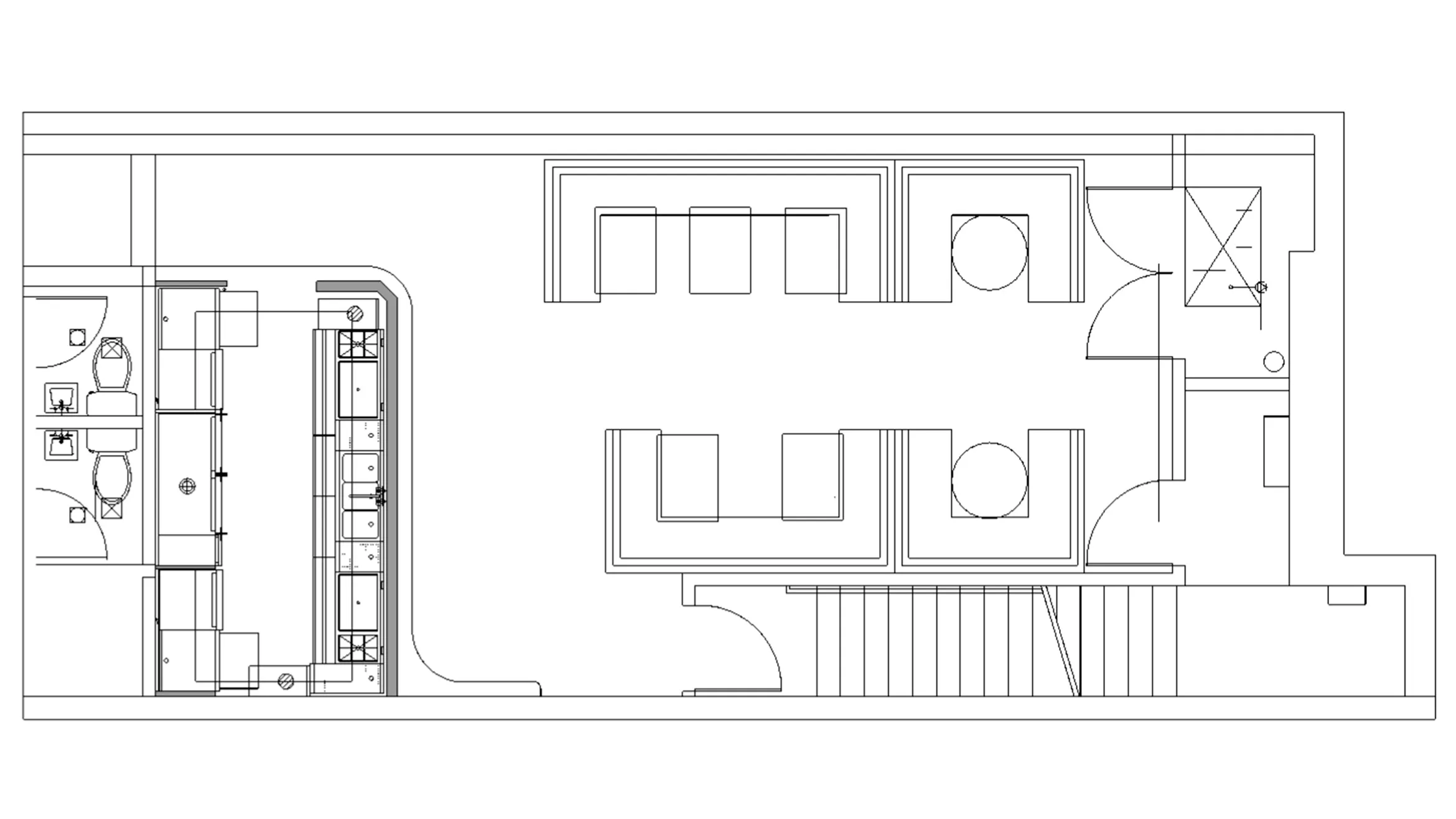
Early Shiki bar blueprint and layout studies
Challenges Behind the Bar

A Bar Is Only as Good as Its Engine

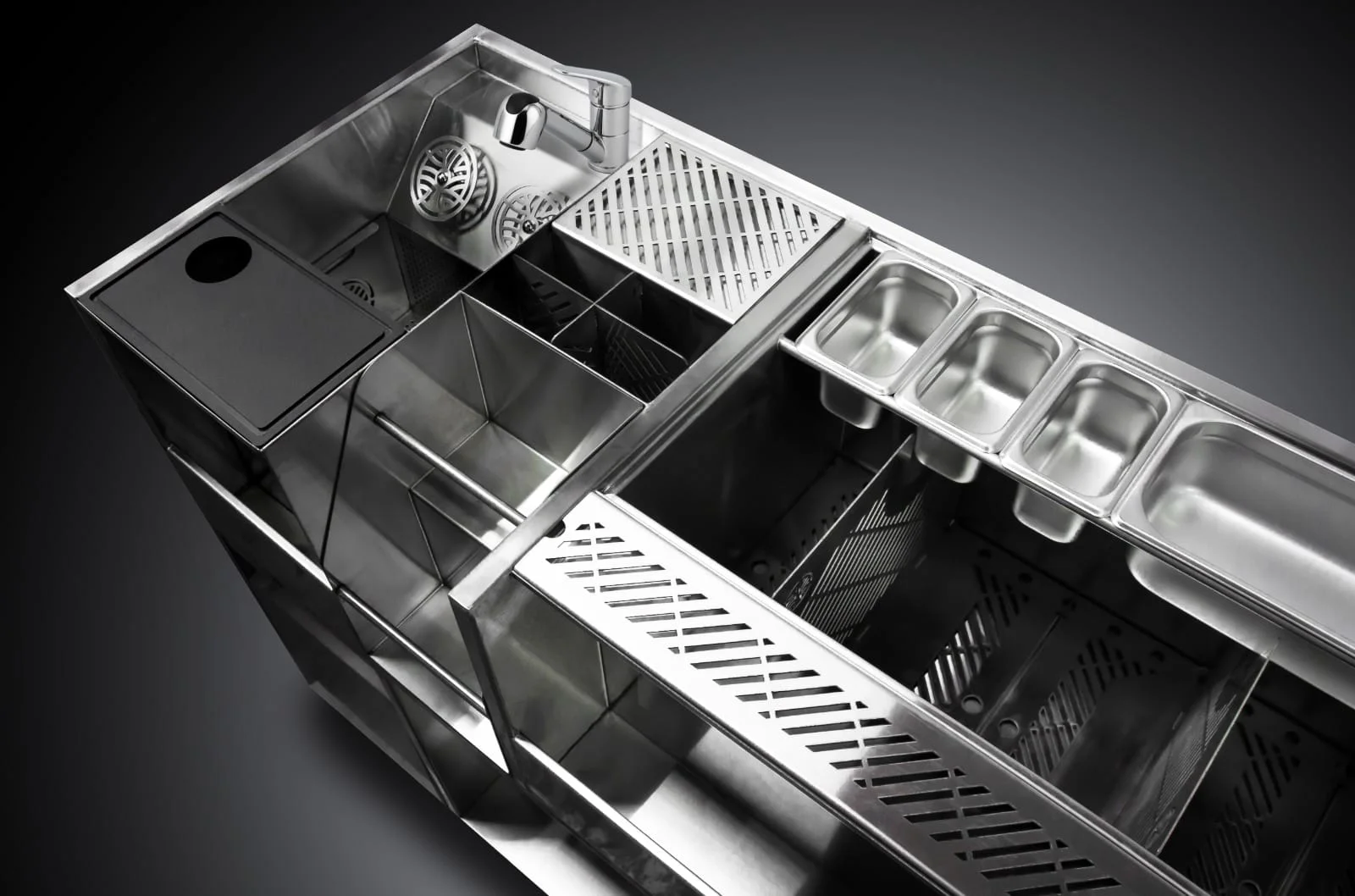
Opening the doors was only half the battle. A bar can look sleek on the outside, but if what is under the hood does not work, you are in constant survival mode. I compare it to a car: the aesthetics are the bodywork and paint, what guests see. But the engine, the station, the ice, the storage, the workflow, is what truly matters.

At Shiki, our engine was unreliable. I developed back problems from poor ergonomics. There was no cohesion in stock management, and many nights I had to buy supplies myself just to get through service. The glassware was mismatched, shapes and sizes that did not fit the menu or the volume we served, which only slowed everything down.

Ice was constantly short, and when the ice machine could not keep up, I tried to scoop and store ice in the freezer. But that only gave me giant frozen blocks that I had to smash apart while tickets were piling up and guests were waiting.

Persistence and Research

I Did Not Take No for an Answer

I worked seven days a week, filling every role the restaurant demanded, from cleaning toilets to serving guests, running trays, and making drinks.

The restaurant was do or die, so I hacked my way out of the chaos one problem at a time until the bar became my domain. Over the years, I rebuilt the bar three times, each overhaul bringing me closer to the system I knew we needed.

Out of this grind, the idea began to take shape. Not just fixing problems, but reimagining what a bar station could be.

After service and late into the night, I spent nearly two years researching everything I could about cocktail stations, hospitality workflow, and bar efficiency, studying different styles across multiple countries and continents. My social life disappeared. My health declined. I poured in blood, sweat, and tears because I knew there had to be a better way.

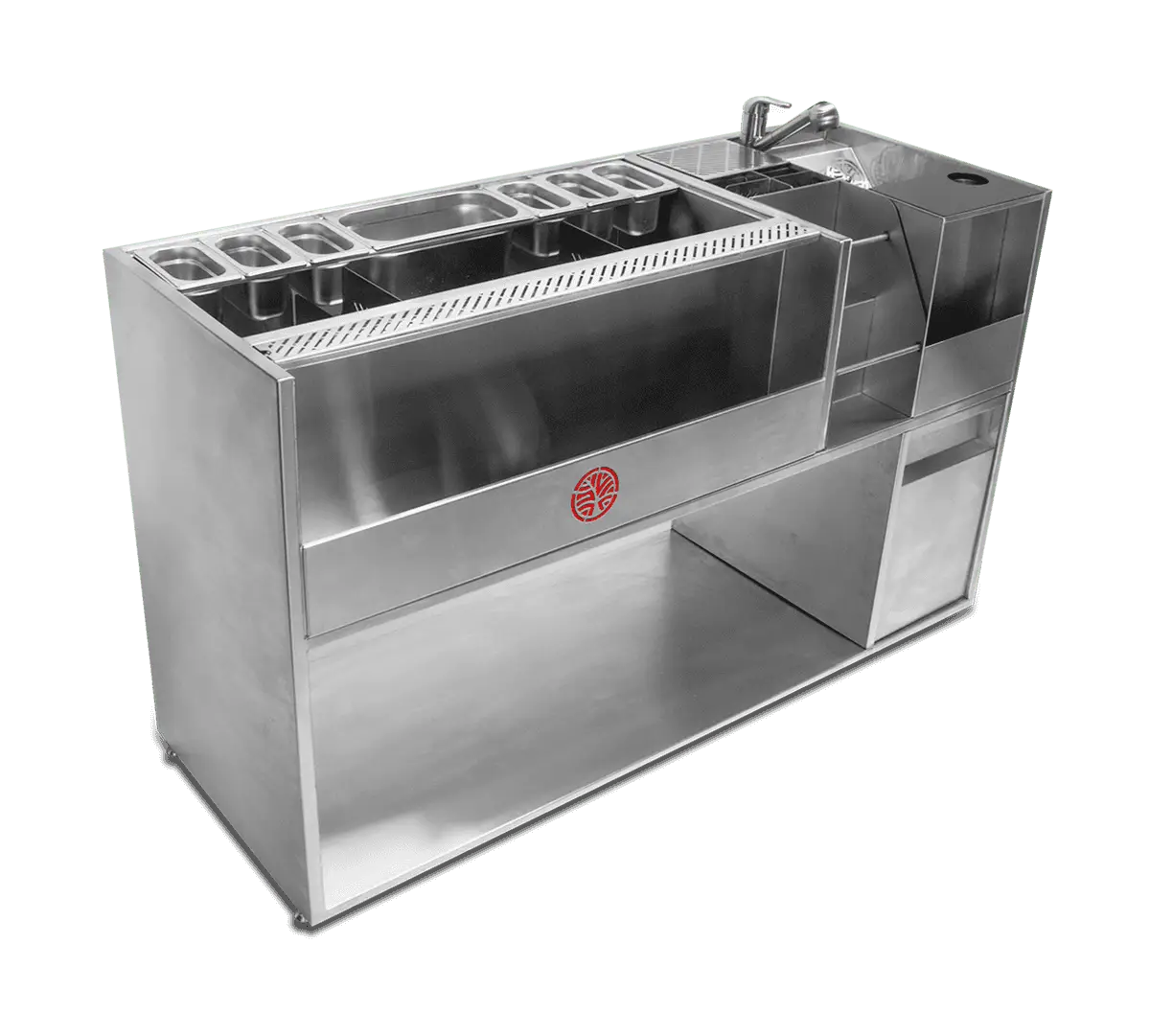
The first Kobayashi cocktail station prototype
The Prototype Breakthrough

Everything Changed in a Single Night

When we finally made the first prototype, it changed everything. But there was still a problem: we could not afford to close the restaurant to install it. So I planned. For three months I coordinated every detail with staff, partners, suppliers, contractors, even guests.

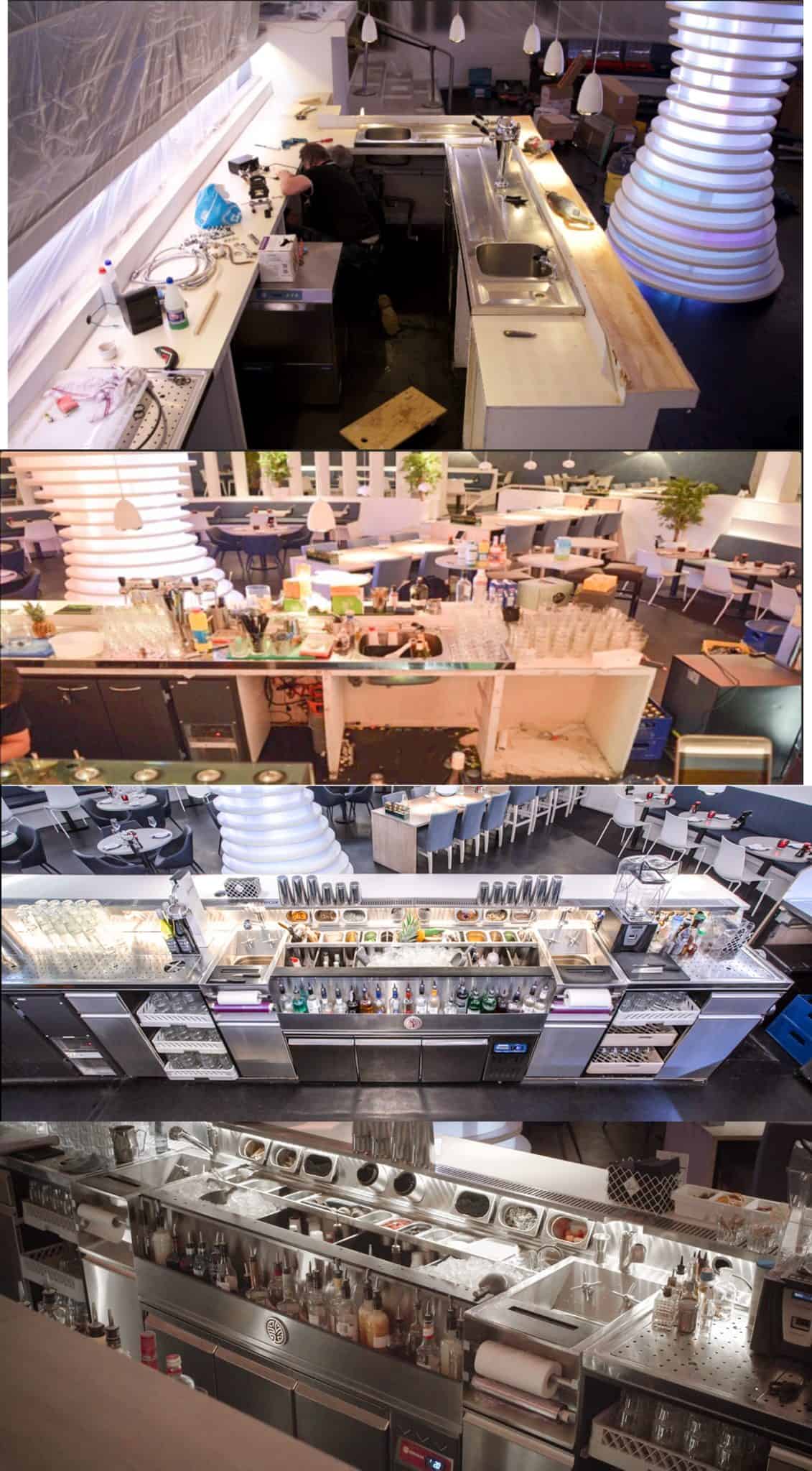
And in the end, we achieved it all in a single night. We broke the entire bar down and rebuilt it from the ground up, high stakes and no room for error. I relied on everything I had learned, from designing and building the restaurant itself to mastering 3D design, to pull it off.

The Kobayashi station installed at the bar overnight
Demand and First Clients

I Never Intended to Sell It

That was a game changer. Bartenders from across the city came to see the cocktail station I had designed, and word spread quickly. The irony was that I never intended to sell it. I had created something for myself, for our restaurant, simply to survive and work better.

But then the questions started coming: where did you get this, who made it, can I order one. When my first client asked to buy one, I did not even have a company set up or production in place. I took the order anyway and built my first commercial station within three months. The rest is history.

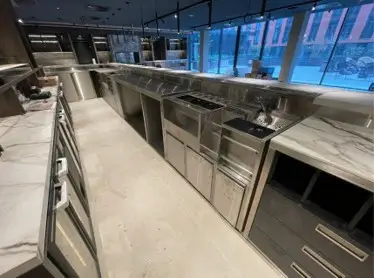
A Kobayashi cocktail station in a client venue
Scaling Up and Partnership

From the Bar Floor to the Boardroom

The early years were intense. For the first three years, I worked closely with manufacturing to build every station and often delivered them myself, including maintenance, advising, and consulting. One day I would be behind the bar slinging drinks, the next in a suit presenting designs to the boardroom of one of the largest hotel chains in the Netherlands, then back to production before returning again to serve guests.

After three years, I knew I could not do it all by myself anymore. That is when I partnered with a good friend who also served the hospitality industry with equipment, Horecarama. This partnership stabilized the business and gave Kobayashi the structure to expand across the Netherlands and into Europe. And then, slowly, the questions started coming from overseas.

A Kobayashi bar workstation built for the US market
Crossing the Ocean, Made in USA

Others Talked About It, We Did It

It was humbling to see interest from across the world, but in practice it was a whole different beast. Shipping to the United States meant endless hurdles: customs, freight, packaging, regulations, and licensing. For a long time, we stayed in our lane and focused on Europe. But I could not shake the idea. So in 2024, I reached out to my best friend in Los Angeles, and together we decided to set up domestic production locally.

For me, Made in USA means something. It is not just a stamp, it is about empowering locally, sourcing locally, and connecting directly with the bar communities there. By producing on the ground in America, I could build closer relationships with bartenders and adapt the designs to their specific needs. The result is a lineup tailored for the US market, stations that reflect the pace, volume, and culture of American hospitality.

Patrick Babakhanian, co-founder of Kobayashi Bar and Koba Workflows
Combining Forces

That Best Friend Is Patrick

That best friend is Patrick Babakhanian, my partner of more than twenty years. We met as kids, and in 2024 our paths crossed again in a new way, when we decided to combine forces and build Kobayashi in the United States together.

Patrick was born and raised in the Netherlands, a child of Armenian refugees who fled Iran during the war of the 1980s. That background shaped everything about him: resourcefulness, persistence, gratitude, and a deep respect for earning your place through hard work.

In 2014 he struck out on his own in marketing. Across more than 13 years in the industry, he has generated millions of dollars in revenue for local businesses, brick-and-mortar shops, and digital brands, with a lot of hospitality PR along the way. Today he leads our digital services arm, Koba Workflows.

He is the marketer, the business owner, and the brand builder. I am the product creator, the restaurant and bar owner, the designer. The bar-equipment industry is dated and too practical, strong on function but short on aesthetics and efficient workflow, and we believe that together we can do it better.

Built on more than twenty years of trust, loyalty, and understanding, we obsess over the same things: product quality, efficiency, and overdelivering for the people who run bars.

- Yu and Patrick, Co-Founders
By the Numbers

Built the Long Way

Kobayashi was built behind the bar, through the maze. These numbers tell part of the story.

2017
Founded in the Netherlands
30+
Years of family craft
3x
The bar rebuilt at Shiki
2
Continents served

That is why our logo is a maze. It carries the survival, the sacrifices, the relentless research, the endless iterations, the risks, and the breakthroughs. Just like bartending itself, mastery is not a straight line but a loop of refinement, patience, and awareness. Every station we build carries that story within it.

- Yu Jiang Zhao, Founder

Ready to Work With Us?

Every station includes a 1-hour bar design consulting session. We will help you spec the right model for your space and service style.

Request a Quote View All Stations